
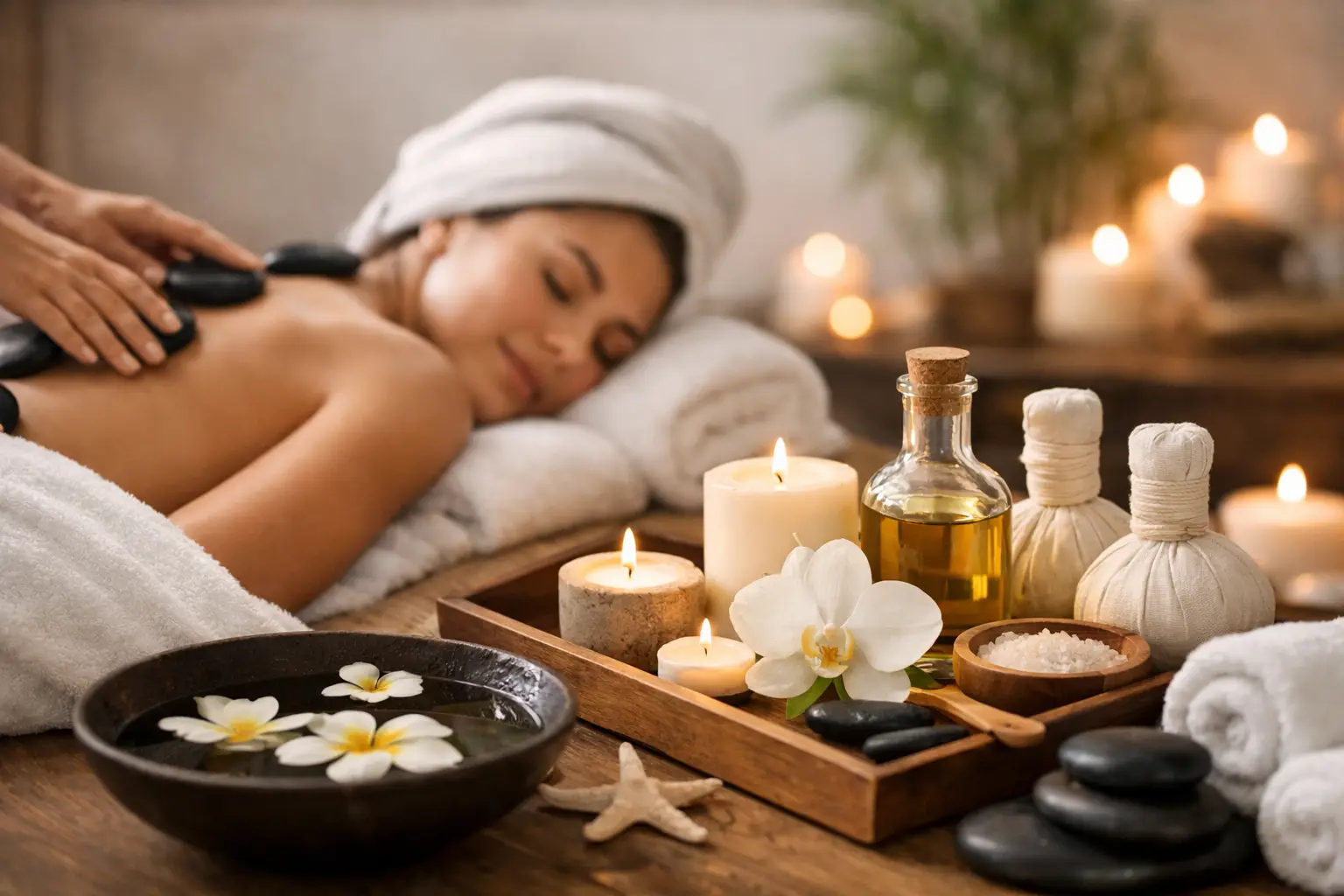
Some stress is loud. It shows up as a clenched jaw, shallow breath, a mind that moves too fast to rest. Other stress settles in quietly, becoming part of the body so gradually that you only notice it when stillness feels unfamiliar. The most helpful spa rituals for stress meet both kinds. They do not rush to fix. They create the conditions for the nervous system to soften, for breath to deepen, and for the body to remember what ease feels like.
Not every ritual works the same way for every person. That is part of the beauty of a well-chosen spa experience. Stress lives differently in each body. For some, it gathers in the shoulders and lower back. For others, it appears as mental fatigue, poor sleep, or a sense of being emotionally overextended. The most restorative ritual is often the one that matches not just your schedule, but your state.
What makes the best spa rituals for stress effective
A meaningful ritual does more than feel pleasant for an hour. It changes your pace. It asks the body to shift out of vigilance and into repair. Usually, that happens through a combination of heat, touch, scent, sound, water, and uninterrupted time.
Touch is often central because it communicates safety in a direct, physical way. Slow, intentional massage can calm muscular guarding and encourage a steadier rhythm of breath. Heat amplifies that effect by easing tension before the hands ever begin their work. Scent matters too, though preferences are personal. Some people settle into floral notes; others respond better to earthier aromas that feel grounding rather than sweet.
The setting plays a quiet but decisive role. A ritual is more effective when nothing in the room asks you to perform, decide, or stay alert. The light is lower. The transitions are slower. Even the silence feels cared for. That atmosphere is not a luxury add-on. It's part of what helps stress loosen its hold.
1. Full-body massage with slow, grounding pressure
If stress has turned your body into a map of tightness, this is often the first ritual worth choosing. A full-body massage using long, steady strokes can be deeply regulating because it gives tension somewhere to go. The body stops bracing against itself.
The most helpful pressure is not always the deepest. For some people, firm work feels relieving. For others, especially when stress has left the nervous system overstimulated, lighter but consistent pressure creates a stronger sense of calm. It depends on whether your body needs release or reassurance. A thoughtful therapist can read that distinction.
Oils warmed slightly before application add another layer of comfort. The warmth extends the feeling of care, allowing the skin and muscles to soften at the same time. When the rhythm is unhurried, massage becomes less about technique and more about returning you to your own body.
2. Heat rituals that prepare the body to let go
Sauna, steam, and warm hydrotherapy are among the best spa rituals for stress because they reduce effort before any other ritual begins. Heat invites surrender. It encourages muscles to lengthen and can quiet the restless feeling of being perpetually switched on.
Dry heat tends to feel clarifying and expansive, especially for those who carry stress as stiffness. Steam feels different. It surrounds rather than penetrates, which some people find more comforting when they are depleted or emotionally tired. Warm pools or soaking baths offer another kind of release - less intense, more immersive, often better for those who want calm without the intensity of high heat.
There's a trade-off, though. If you are already overheated, dehydrated, or drained, too much heat can feel taxing rather than soothing. In that case, a shorter heat ritual followed by rest may be more supportive than a longer session that leaves you heavy and fatigued.
3. Aromatherapy rituals that calm through scent and breath
Stress narrows attention. Scent can gently widen it again. The right aromatherapy ritual draws awareness out of looping thoughts and back into the present through breath, memory, and sensation.
Lavender is often the first scent people associate with relaxation, and for good reason, but it is not the only path to calm. Neroli can feel soft and expansive. Sandalwood has a quieting depth. Eucalyptus, though more invigorating, can help when stress feels foggy rather than sharp. The most helpful choice depends on what your nervous system needs - sedation, grounding, or mental clearing.
Aromatherapy works especially well when paired with a scalp massage, compress, or guided breathing. Scent on its own can be fleeting. Scent paired with touch and stillness lingers in the body longer. It becomes a cue that rest is allowed.
4. Body rituals with exfoliation and warm oil application
There are forms of stress that leave you feeling disconnected from your own physical presence. In those moments, a body ritual can be more helpful than a conventional massage. Exfoliation wakes up the skin. Warm oil restores softness. Together, they create a feeling of renewal that is both sensory and emotional.
This kind of ritual is especially restorative after periods of overwork, travel, seasonal change, or emotional depletion. It does not just relax tense muscles. It helps you feel cared for in a fuller sense. The body is polished, nourished, and wrapped in warmth. That sequence can be profoundly settling.
The trade-off is that exfoliation is not always the right choice when the skin feels sensitive or when what you want is purely muscular relief. In that case, an oil-rich ritual without vigorous scrubbing may offer the same comfort with a gentler touch.
5. Scalp and head rituals for mental overload
Some stress seems to live above the shoulders. It becomes pressure behind the eyes, tension at the temples, a constant sense of mental noise. A scalp and head ritual can be surprisingly effective here because it addresses the places where overthinking often becomes physical.
Slow work across the scalp, neck, and forehead can quiet the mind in a way that feels almost immediate. There's something deeply disarming about attention given to the head and hairline. It interrupts cognitive momentum. Thoughts lose their edge.
This ritual is often overlooked because it seems simple. In practice, that simplicity is its strength. It suits people who feel too busy for a long session, those who struggle to switch off, and anyone who wants relief without the intensity of full-body work.
6. Hydrotherapy and water-based rituals
Water has its own intelligence when it comes to stress. It supports the body while asking very little in return. Whether through a soaking bath, contrast bathing, gentle jets, or a quiet float, hydrotherapy changes how weight is carried. The body senses support, and the mind often follows.
Warm water rituals are especially useful for people whose stress comes with fatigue. Unlike some forms of therapy that ask the body to process intense sensation, water tends to soften resistance gradually. The experience is less about release and more about being held.
Contrast rituals, where warmth is followed by cool water, can feel deeply renewing for some and jarring for others. If your stress already feels sharp or anxious, gentle warmth may be better than dramatic temperature shifts. If you feel dull, heavy, or mentally stuck, contrast can bring welcome clarity.
7. Sound and stillness rituals for deep nervous system rest
Sometimes the body is not asking for more stimulation, even pleasant stimulation. It's asking for less. Sound rituals, guided rest, and quiet meditative experiences create space for stress to unwind without being handled or worked on.
Soft resonance from singing bowls, low ambient tones, or carefully guided breath can help settle scattered attention. These rituals are subtle. Their power lies in repetition and atmosphere rather than intensity. You may leave feeling as though very little happened, only to notice later that your breath is slower, your sleep comes easier, and your body feels less defended.
For highly active minds, this can be the most challenging ritual to receive. Stillness often reveals how tense we have been. Yet that discomfort is sometimes the threshold. If you can stay with it, even briefly, it can become one of the most restorative forms of care.
How to choose the right stress ritual for your body
A useful question is not, what sounds most luxurious, but what feels most needed. If you are carrying physical tension, begin with massage or heat. If your stress is more emotional or diffuse, consider scent, water, or stillness. If you feel disconnected from yourself, a body ritual that includes exfoliation and warm oils may offer a more complete sense of return.
It also helps to think about your capacity that day. A long, layered ritual can be beautiful, but only if you have the energy to receive it. Sometimes the wiser choice is a shorter, quieter experience followed by unhurried rest. The ritual is only part of the restoration. What you do after matters too.
At its best, a spa ritual is not an escape from life. It's a way back into it with more steadiness, more breath, and a gentler relationship to your own body. If stress has made everything feel urgent, choose the ritual that asks the least of you and offers the most room to soften. That is often where renewal begins.