
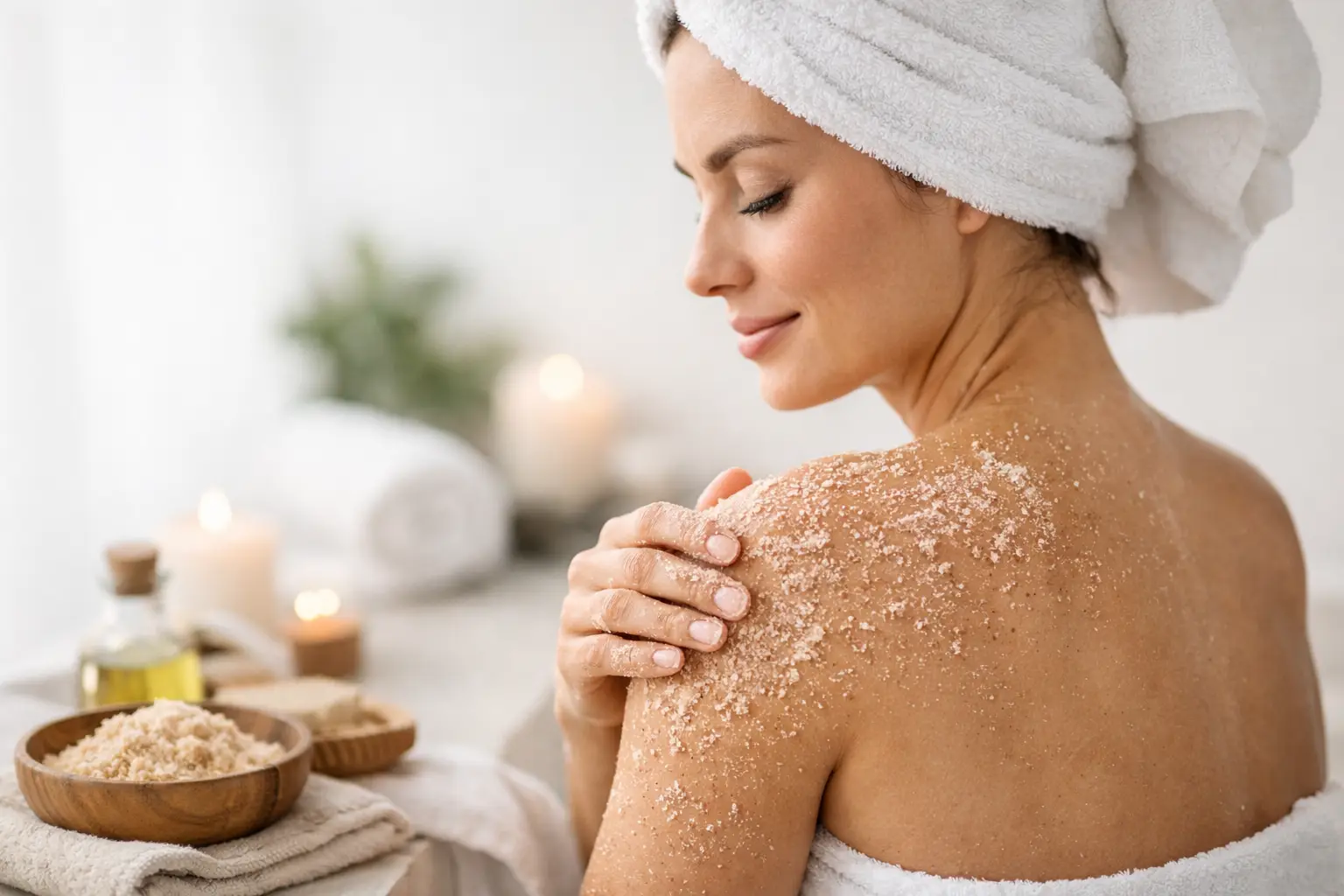
The difference between skin that feels merely clean and skin that feels renewed often comes down to one quiet step. A thoughtful guide to full body exfoliation is not about scrubbing harder or chasing instant glow. It is about removing what is dull, dry, and lingering so softness can return without disturbing the skin’s natural balance.
When done well, full body exfoliation becomes less of a beauty task and more of a ritual. Warm water, steady breath, a gentle polish across the shoulders, arms, legs, and feet - each part of the process invites the body to slow down. The result is not only smoother skin, but a sense of lightness that stays with you after the shower or spa room has gone still.
What full body exfoliation really does
Your skin is always renewing itself. As fresh cells rise to the surface, older cells collect and eventually shed. Sometimes that process slows. Dry weather, stress, friction from clothing, shaving, and simple day-to-day buildup can leave skin looking flat or feeling rough.
Exfoliation helps lift away that layer so moisturizers absorb more beautifully and the skin feels more even to the touch. It can soften dry areas like elbows, knees, and heels, improve the look of texture, and give the body a healthy glow that feels natural rather than forced.
There is a trade-off, though. More is not better. Skin responds best to consistency and gentleness, not intensity. Over-exfoliation can leave it tight, irritated, or more reactive than before. The goal is refinement, not abrasion.
A guide to full body exfoliation methods
There is no single right way to exfoliate the body. The best choice depends on your skin, your comfort level, and the kind of ritual you want to create.
Physical exfoliation
This is the method most people picture first. It includes body scrubs, dry brushes, exfoliating gloves, and textured cloths. Physical exfoliation gives immediate tactile results, which is why it feels so satisfying. A brown sugar scrub, a finely milled polish, or a soft mitt can smooth the skin quickly when used with a light hand.
The texture matters. A scrub made with rounded, nourishing particles tends to feel kinder than one with jagged or overly coarse grit. If your skin is dry or sensitive, softer ingredients paired with oils can feel restorative rather than harsh.
Chemical exfoliation
Despite the name, this option can be quite gentle. Chemical exfoliants use ingredients such as alpha hydroxy acids or beta hydroxy acids to dissolve the bonds that keep dead skin cells clinging to the surface. They are often found in lotions, pads, or body treatments.
For those dealing with rough patches, body acne, or uneven tone, this approach may offer a more even result than a scrub alone. But it depends on your skin barrier. If your skin is easily irritated, start slowly and avoid layering strong products all at once.
Spa exfoliation rituals
A spa treatment brings another element - care. Instead of rushing through the process in a shower, the body is given time, warmth, steam, and skilled touch. Oils, salts, sugars, coffee, coconut, or botanical blends can be selected with intention, making the experience feel deeply personal.
In a premium setting, exfoliation often works best as part of a larger renewal ritual. The skin is polished, then replenished. Moisture is restored. Tension softens. The body does not just feel smoother. It feels attended to.
How often should you exfoliate?
For most people, one to two times a week is enough. If your skin is resilient and tends to be oily or rough, you may tolerate a bit more. If it is dry, sensitive, or easily flushed, once a week may be ideal.
Season matters too. In winter, skin often needs a gentler rhythm because it is already losing moisture. In summer, increased sweat, sunscreen, and shaving may make regular exfoliation feel more useful. The better guide is not the calendar but your skin’s response. If it feels calm, smooth, and comfortable, you are likely in the right range.
How to exfoliate from shoulders to feet
The most effective approach is unhurried. Begin with warm, not hot, water to soften the skin. If you are using a scrub, apply it to damp skin in small circular motions. Start with the arms and shoulders, move through the torso, then continue down the legs. Give a little extra attention to elbows, knees, ankles, and heels, where dryness often settles.
Pressure should stay light. Think polish, not friction. The skin on the chest and inner arms may need less intensity than the feet or backs of the legs. If you are using an exfoliating mitt or brush, keep your strokes measured and even rather than aggressive.
Rinse thoroughly, then follow immediately with a rich body oil, cream, or lotion while the skin is still slightly damp. This step matters as much as the exfoliation itself. Once the older surface cells are cleared away, hydration can sink in more fully, leaving the skin supple rather than exposed.
If you shave, it often helps to exfoliate first. This can reduce the feeling of roughness and help free trapped hairs near the surface. If your skin becomes irritated by shaving, keep the exfoliation very gentle and avoid repeating it again the next day.
Areas that need a softer approach
Not every part of the body wants the same treatment. The neck, chest, and inner arms usually respond best to a finer scrub or a mild chemical exfoliant. Areas with active irritation, cuts, sunburn, or recent sensitivity should be left alone until the skin has recovered.
If you have body breakouts, a heavy oil-based scrub may not be the best fit in that area. A targeted exfoliating body wash or lotion may feel cleaner and less occlusive. If your skin barrier is compromised, the answer is often not more exfoliation but more repair - fewer active products, more hydration, and time.
Choosing the right exfoliant for your skin
Dry skin often loves creamier scrubs with nourishing oils like coconut or grapeseed. These leave behind comfort as well as smoothness. Rough, resilient skin may enjoy salt-based or coffee-based textures, especially on legs and feet. Sensitive skin usually does better with very fine particles, soft cloth exfoliation, or low-strength acids used sparingly.
Scent also plays a role. Exfoliation is one of those rare moments where skin care and state of mind meet. Warm botanicals, fresh citrus, subtle florals, or unscented formulas can each shape the ritual differently. The best choice is not the strongest one. It is the one your skin welcomes and your nervous system does not resist.
Signs you may be overdoing it
Skin tends to speak clearly when exfoliation is too frequent or too intense. Tightness after bathing, redness that lingers, unusual stinging when you apply lotion, or flaky patches that seem to worsen rather than soften are all signs to pause.
Sometimes people mistake irritation for progress. If the skin feels stripped, it is not becoming healthier. A calmer routine will usually bring better results. Pull back, focus on moisture, and let the surface recover before exfoliating again.
When a spa ritual makes the difference
At home, exfoliation is practical. In the right spa setting, it becomes restorative. The body is not rushed. Ingredients are selected with care. Warmth, touch, steam, and stillness work together so the treatment feels complete.
That is often why guests seeking more than a quick beauty fix choose a place like donEvita. The experience is designed as renewal, not routine - a way to soften the body while also easing the mind. For those in Bedford and the surrounding DFW area, that kind of quiet, customized care can turn exfoliation into something far more lasting than smooth skin.
The most beautiful results usually come from less force and more attention. Give your skin a gentle rhythm, choose ingredients that nourish as they refine, and let the ritual be slow enough to feel. Softness has a way of returning when the body is treated with care.