
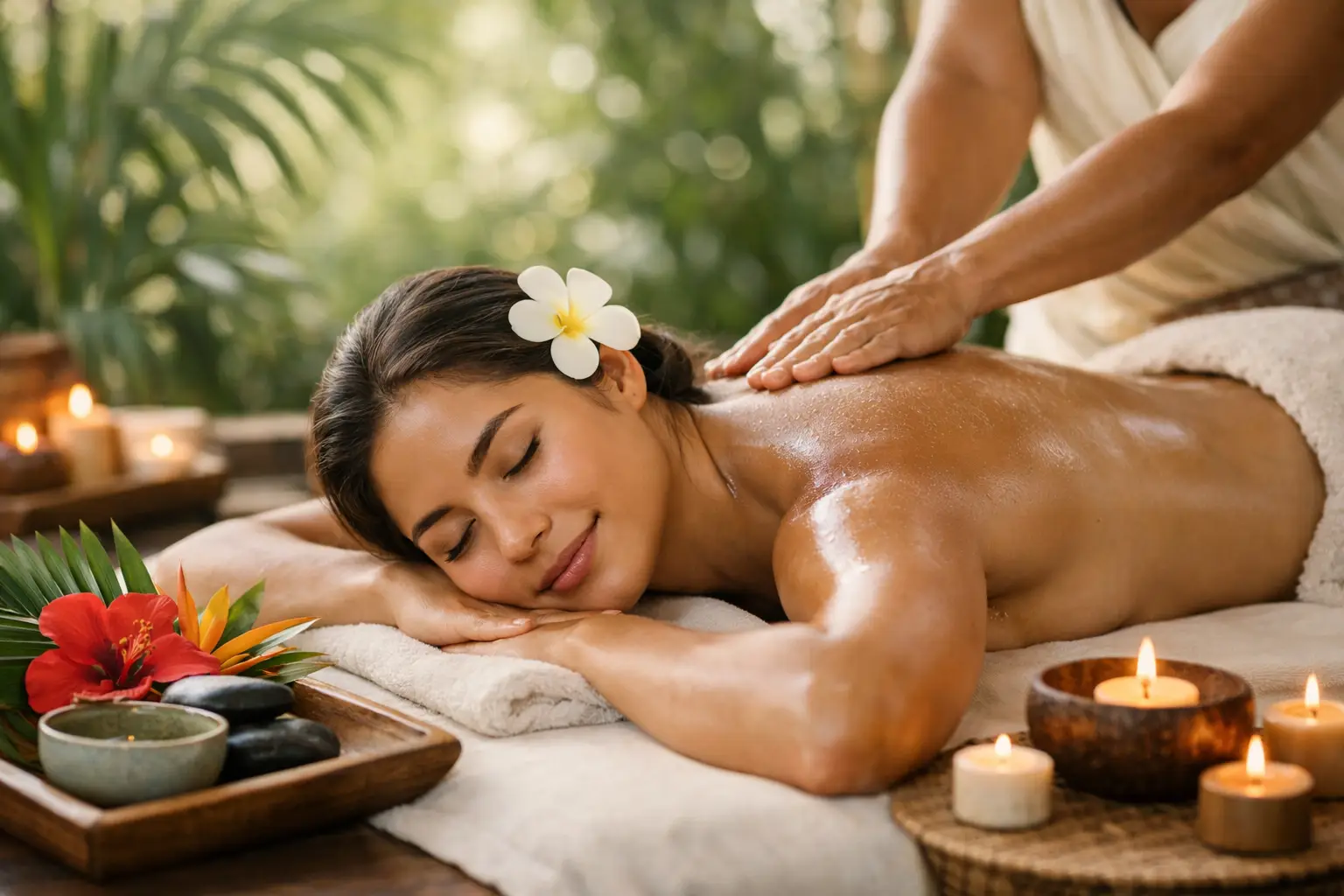
Some massages work on tension. Lomi Lomi Massage works on the feeling of being held together again.
Rooted in Hawaiian healing traditions, this style is known for long, continuous strokes that move like water across the body. The experience is less segmented than many modern massages. Instead of focusing only on one tight shoulder or one overworked area, it invites the whole body into a state of rhythm, warmth, and release.
For someone seeking more than basic relaxation, that difference matters. Lomi Lomi is often described as nurturing, but that word can undersell it. Done well, it feels expansive. The nervous system softens. Breathing deepens. The body stops bracing.
What makes Lomi Lomi Massage different
The most recognizable element of Lomi Lomi Massage is its flowing touch. Practitioners often use forearms as well as hands, creating broad, wave-like movements that travel continuously from one area of the body to another. That continuity is part of what gives the ritual its distinct effect. There are fewer abrupt pauses, fewer mechanical transitions, and less sense of the body being treated in separate parts.
The result is a massage that can feel deeply immersive. Many people notice not just physical relief, but a rare mental quiet. Because the strokes are generous and connected, the mind has less to track. It becomes easier to let go.
There's also an element of intention in this practice. Traditional Lomi Lomi carries cultural and spiritual meaning, and respectful practitioners understand that it is more than a technique. In contemporary spa settings, the expression may vary, but the essence often remains the same: care that is rhythmic, intuitive, and centered on harmony rather than force.
What Lomi Lomi Massage feels like
If you are used to highly structured bodywork, Lomi Lomi may surprise you. It often begins gently, allowing the body to settle before deeper pressure is introduced. The touch can be soothing one moment and grounding the next. Rather than chasing discomfort, it tends to encourage release through continuity, warmth, and trust.
Many people say it feels like the body is being rocked into stillness. The long strokes can create a sense of movement even while you are lying still, which is part of the ritual's calming quality. It's common to leave feeling lighter, more open through the chest and shoulders, and less crowded by thought.
That said, pressure can vary. Some sessions are feather-soft and meditative. Others are firmer and more muscular. Lomi Lomi is not defined by one pressure level but by its cadence and whole-body approach. If you prefer very targeted deep tissue work on a specific injury pattern, another style may be more precise. If you want restoration that feels both physical and emotional, this may be the better fit.
Who this ritual is for
Lomi Lomi tends to resonate with people who are carrying stress in a diffuse, full-body way. Not sharp pain in one exact spot, but the quieter accumulation of modern strain - shallow breathing, tight shoulders, restless sleep, mental noise, and the feeling of never fully unwinding.
It's especially well suited to anyone who values a sensory experience rather than a purely technical one. The oil, the warmth, the uninterrupted flow of touch, and the sense of spaciousness all shape the ritual. This is part of why it feels at home in a sanctuary setting, where the point is not only to fix tension but to restore your relationship with rest.
For first-time spa guests, it can be a beautiful introduction to bodywork because it rarely feels abrupt or clinical. For seasoned wellness clients, it offers something many busy lives are missing: an experience that does not rush the body into relaxation, but coaxes it there.
How to prepare for a Lomi Lomi Massage
Come with as little urgency as possible. A rushed arrival can follow you onto the table, so it helps to leave space before and after your session. Hydration matters, but so does presence. If you can, silence your phone early, breathe more slowly, and let the day loosen its grip before the ritual begins.
It's also worth sharing your preferences. If you enjoy lighter touch, deeper pressure, extra focus on one area, or a quieter experience, say so. A thoughtful practitioner will guide the session with sensitivity. Lomi Lomi is flowing by nature, but it should still feel personal.
Afterward, resist the urge to snap back into activity too quickly. The benefits often deepen in the hours that follow. Gentle movement, water, and a quieter evening can help extend that sense of internal ease.
Here at donÉvita, experiences are approached as rituals of renewal, and Lomi Lomi belongs naturally in that philosophy. It reminds us that healing does not always arrive through intensity. Sometimes it comes through rhythm, softness, and the simple relief of feeling whole again.