
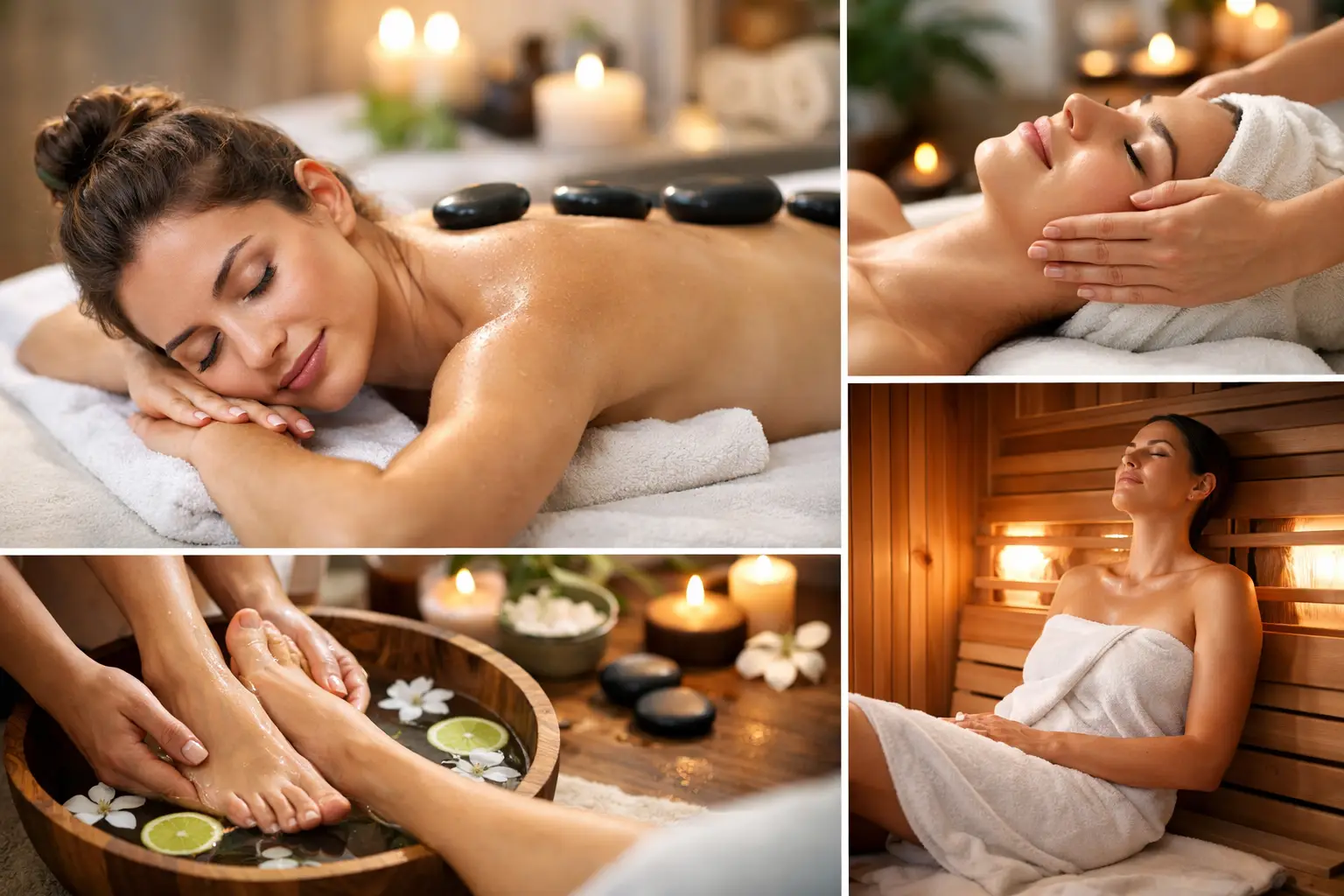
Burnout rarely arrives as one dramatic moment. It gathers in the clenched jaw after a long workday, the shoulders that never quite lower, the exhaustion that sleep does not seem to touch. The best spa treatments for burnout create a deliberate pause from that cycle. They cannot solve an overloaded schedule or replace professional mental health care when it is needed, but they can offer something deeply valuable: a quiet place for the nervous system, muscles, and mind to soften together.
A restorative spa visit is not about squeezing in one more task under the label of self-care. It is about choosing care that meets the way burnout is actually felt in the body: through tension, restless thoughts, dull skin, shallow breathing, and the sense of being disconnected from yourself.
What Burnout Needs From a Spa Ritual
Burnout is more than ordinary tiredness. A single treatment may leave you relaxed for an afternoon, yet true restoration often asks for a little more intention. The most supportive experience pairs therapeutic touch with time, warmth, hydration, scent, and stillness. It gives the body enough space to move out of constant alertness.
The right choice depends on what feels most depleted. If your neck and lower back ache from hours at a desk, focused bodywork may be the priority. If your thoughts feel loud and sleep has become light or interrupted, a slower ritual with gentle aromatherapy and a calm environment may offer more relief than deep pressure alone. If you feel worn down in every direction, a longer, layered experience can be the kindest place to begin.
The Best Spa Treatments for Burnout
1. A Customized Therapeutic Massage
For many people, massage is the clearest answer to physical stress. Burnout can leave muscles in a near-constant state of guarding, especially around the shoulders, neck, hips, hands, and jaw. A customized therapeutic massage allows pressure, pace, and focus areas to be adjusted to what your body needs that day.
This is not always the time to request the deepest possible pressure. Intense work can feel satisfying when muscles are very tight, but it can also leave an already depleted body feeling overstimulated or sore. A skilled therapist can blend relaxing, flowing strokes with more focused attention where tension has settled. Organic oils and a carefully chosen essential oil can make the experience feel less like an appointment and more like a return to comfort.
2. A Warm Stone Massage for Deep Calm
When cold, fatigue, and muscle stiffness seem to follow you everywhere, warm stone massage can be especially comforting. The steady heat encourages muscles to relax before the therapist asks them to release. This often allows for effective work without the need for aggressive pressure.
Warm stones are a beautiful choice for the person who feels both exhausted and wound tight. Heat creates a sense of safety and heaviness in the best way, inviting the body to settle into the table rather than brace against it. Those who are heat-sensitive, pregnant, or managing certain health concerns should share that information before booking so the treatment can be adapted thoughtfully.
3. A Body Scrub and Hydration Ritual
Burnout has a way of making people feel as if they are moving through life on autopilot. A full-body exfoliation ritual can gently interrupt that feeling. Brown sugar, coffee, coconut oil, grapeseed oil, and other nourishing ingredients bring texture, scent, and warmth into the experience, waking up the skin without demanding anything from you.
The value is not merely cosmetic, though softer, brighter-looking skin is a welcome result. Slow exfoliation followed by rich hydration is sensory care. It invites you to notice your body with appreciation rather than only when it hurts or needs to perform. For guests who feel emotionally flat or disconnected, this kind of ritual can feel quietly grounding.
4. A Steam and Water Experience
Few things signal rest to the body as clearly as warmth and water. Steam can help ease the feeling of tightness that gathers through the chest, shoulders, and limbs, while a warm soak creates an unhurried transition away from the outside world. When paired with Epsom salt, aromatic oils, or a period of quiet afterward, water becomes part of the restoration rather than a quick add-on.
This treatment is especially fitting when you feel overstimulated by screens, noise, and demands. The trade-off is simple: steam is not ideal for everyone. Guests with cardiovascular concerns, sensitivity to heat, or certain health conditions should seek personalized guidance and avoid pushing through discomfort. Calm should never feel like endurance.
5. A Scalp and Head Massage
Burnout often lives above the shoulders. Headaches, eye strain, jaw tension, and the feeling of carrying too many thoughts can make it difficult to rest even in a quiet room. A slow scalp and head massage can be remarkably effective because it directs care to an area that is constantly working and rarely tended to.
The experience is subtle but powerful. Gentle pressure around the scalp, temples, neck, and upper shoulders can encourage a deeper exhale, especially when combined with warm oils or an aromatic ritual. It is a lovely addition for anyone whose work involves long hours of concentration, frequent travel, or constant decision-making.
6. A Restorative Facial With Massage
A facial may not be the first treatment that comes to mind for burnout, yet it can be deeply calming when it includes facial, neck, shoulder, and scalp massage. The slow rhythm of cleansing, exfoliation, masks, and nourishing products asks very little of you. There is no need to talk, achieve, or solve anything.
Choose a facial that feels comforting rather than overly active if your skin is already reactive from stress or lack of sleep. Hydration-focused care, gentle exfoliation, and ingredients selected for your skin's present condition can help restore softness and glow. The emotional benefit matters, too: being cared for with patience can make you feel more present in your own skin.
7. A Longer, Layered Spa Journey
Sometimes burnout calls for more than one hour of relief. A layered spa journey might begin with steam or a soak, move into a body scrub, continue with massage, and end with time to rest. The treatments support one another: warmth prepares the body, exfoliation refreshes the skin, therapeutic touch eases tension, and quiet allows the experience to settle in.
This is often the best choice when you have been running on empty for a long time or want to mark a transition after an intense season. At donEvita, this sense of renewal is held as a ritual, with thoughtful touch, nourishing ingredients, and a peaceful atmosphere designed to help each guest feel personally cared for. The goal is not to escape your life forever. It is to return to it with more softness, clarity, and breath.
How to Choose the Right Treatment When You Feel Drained
Start by naming what you feel most strongly. If your body hurts, choose massage with enough time for focused attention. If you are mentally crowded and physically tense, warmth, aromatherapy, and a slower pace may matter more than firm pressure. If you feel dull, depleted, or out of touch with yourself, a scrub, facial, or water ritual can bring welcome sensory renewal.
Tell your therapist how you have been feeling, including areas of tension, sleep changes, sensitivity to scent, pressure preferences, and any health considerations. Personalization is not an extra detail. It is what turns a standard service into a treatment that respects your actual capacity that day.
Also consider timing. Do not schedule a restorative treatment only to rush immediately into traffic, errands, or another demanding obligation. If possible, leave a little space afterward. Drink water, eat something nourishing, put your phone away for a while, and let the calm remain undisturbed.
Let Rest Be More Than a Reward
The most meaningful spa ritual for burnout is the one that does not ask you to earn it. Care does not need to wait until every deadline is met, every message is answered, or every person around you has been looked after. A warm room, skilled hands, a softened breath, and a little protected quiet can be a beginning - not a cure-all, but a gentle reminder that you are allowed to come back to yourself.