
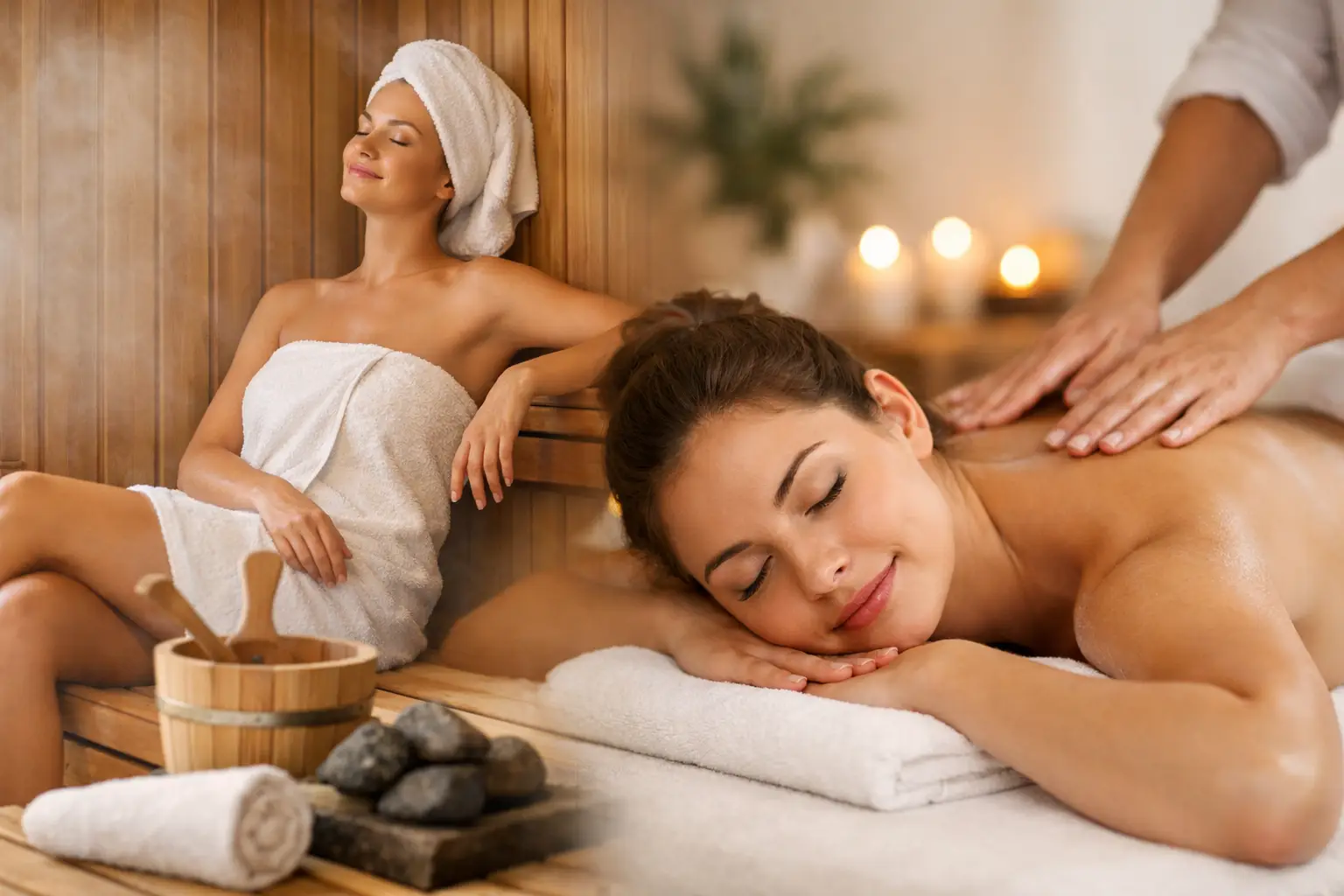
A quiet stretch of warmth before a massage can feel like the beginning of an escape: shoulders soften, breath slows, and the outside world becomes less urgent. But is sauna good before massage for every body and every appointment? Often, yes - when the heat is gentle, the timing is thoughtful, and you arrive well hydrated. The goal is not to push through discomfort. It is to prepare the body for deeper ease.
At donEvita, renewal is never rushed. A sauna and massage can belong beautifully in the same ritual, but the most restorative order depends on how you feel, the type of massage you are receiving, and how your body responds to heat.
Why sauna before a massage can feel so restorative
Warmth changes the atmosphere in the body. As your temperature rises, circulation near the skin increases and muscles may feel less guarded. That softening can make the transition onto the massage table feel more natural, especially after a day of driving, sitting, training, or carrying tension through the neck and back.
There is also a quieter benefit. Sauna time creates a pause before touch begins. Rather than arriving at your appointment with a racing mind and tight jaw, you have a few minutes to settle into your breathing. For many guests, that slower arrival is what allows the massage to feel more spacious and connected.
Heat may make light-to-moderate pressure feel more comfortable because the body is already warm and relaxed. It does not replace a therapist’s skill, nor does it guarantee that every knot will disappear. But it can help create the conditions for a calmer, more receptive session.
A sauna is not a detox shortcut, and sweating does not erase stress or toxins from the body. Its value is simpler and more meaningful: warmth, stillness, and a chance to loosen your grip before therapeutic touch begins.
Is sauna good before massage? Usually, with a few boundaries
A brief sauna visit is generally a lovely complement to a relaxation massage, Swedish-style massage, or a customized wellness ritual. Think of it as preparation, not a test of endurance. Ten to 15 minutes is often enough for most people, particularly if you are new to sauna bathing or have not had much water that day.
Longer is not automatically better. Too much heat can leave you lightheaded, fatigued, thirsty, or overly sensitive to pressure. Massage can be deeply calming on its own, and the combination of intense heat and prolonged relaxation may lower blood pressure enough to make some people dizzy when standing afterward.
The best sign that sauna time is serving you is simple: you leave feeling warm, comfortable, and clear-headed. If you feel weak, nauseated, unusually flushed, or unsteady, step out, cool down gradually, and tell your therapist. Choosing rest over one more minute of heat is part of caring for yourself well.
Match the heat to the massage you chose
For a gentle, calming massage, a short sauna session can be an especially natural pairing. The warmth helps signal to the nervous system that it is safe to slow down, while the massage carries that feeling further.
Before a focused deep-tissue or sports-oriented session, the answer is more individual. Some guests appreciate a few minutes of heat for general stiffness. Others find that a long sauna session leaves them depleted before receiving more targeted work. If you are arriving sore from a demanding workout, hard travel day, or poor sleep, moderation matters more than intensity.
Share what you hope to feel when you leave. A skilled therapist can adjust pressure, pacing, and enhancements around your energy that day. The most beautiful spa ritual is not the one with the most steps. It is the one that meets you where you are.
How to prepare without overdoing it
Hydration is the detail that changes everything. Start drinking water in the hours before your appointment rather than trying to catch up with one large glass at the door. Sauna heat encourages sweating, and massage can leave you feeling even more relaxed and sleepy afterward. Giving your body enough fluid helps the experience stay comfortable from beginning to end.
Have a light meal beforehand if you need one, but avoid a heavy meal immediately before the sauna. You want to feel nourished, not overly full. Alcohol is also best saved for another day. It can increase dehydration and make dizziness more likely in the heat.
After the sauna, give yourself a small buffer before massage begins. Rinse off if needed, dry fully, sip water, and sit quietly for a few minutes. Let your heart rate return toward normal. This is not wasted time. It is the gentle bridge between steam and stillness.
A simple pre-massage rhythm can look like this:
- Drink water steadily before your visit.
- Spend 10 to 15 comfortable minutes in the sauna.
- Step out immediately if you feel dizzy, nauseated, or overheated.
- Cool down gradually, rinse, and rest for a few minutes.
- Tell your therapist how the heat felt and where your body needs care.
When it is wiser to skip the sauna first
Some days call for warmth. Other days call for a cool, quiet room and a softer plan. Skip sauna time if you are dehydrated, hungover, feverish, actively ill, or already feeling faint. If you have had a difficult reaction to heat before, do not treat a spa day as the moment to experiment.
It is also wise to ask a healthcare professional before using a sauna if you have a heart or circulation condition, blood-pressure concerns, are pregnant, take medications that affect hydration or blood pressure, or have been advised to limit heat exposure. That conversation is not meant to take the ease out of your ritual. It helps make room for the version of care that is right for you.
Fresh sunburn, irritated skin, or an acute injury may also make heat uncomfortable. In those moments, a customized massage without the sauna may be the more nourishing choice. Comfort is useful information. Listen to it.
Do not arrive overheated
Texas heat can already ask a lot of the body. On a warm DFW afternoon, especially after time outside or a long walk from the parking lot, you may not need additional heat before your massage. Come in, drink water, and assess how you feel. A cool shower, a few unhurried breaths, or simply resting in a peaceful setting may give you exactly what you need.
The same goes for very hot baths, heated workouts, or intense exercise right before your appointment. Stacking heat on top of heat can turn a restorative experience into an exhausting one. Leave space for the massage to be the central act of care.
Sauna before or after massage?
Before is often best when your intention is to arrive softened and ready for touch. A short, comfortable sauna session can settle stiffness and help you transition out of a busy day.
After can be appealing if you want to linger in warmth once the massage is complete, but it deserves extra caution. You may feel deeply relaxed, and your blood pressure may already be lower than usual. If you choose sauna afterward, keep it brief, hydrate, and rise slowly when you leave. Many people prefer to let the massage be the final quiet note, then go home to rest.
There is no prize for doing both. If a sauna-and-massage sequence leaves you peaceful, hydrated, and comfortably tired, it may become part of your personal renewal ritual. If it leaves you drained, simplify it next time. The body responds best to care that feels attentive rather than excessive.
Let your body set the pace
A sauna before massage can be a beautiful invitation into warmth, softness, and presence. Keep the heat modest, arrive hydrated, and give yourself permission to step out early. Then let the massage meet you in that calmer place - not as another task to complete, but as time set aside to feel restored.